

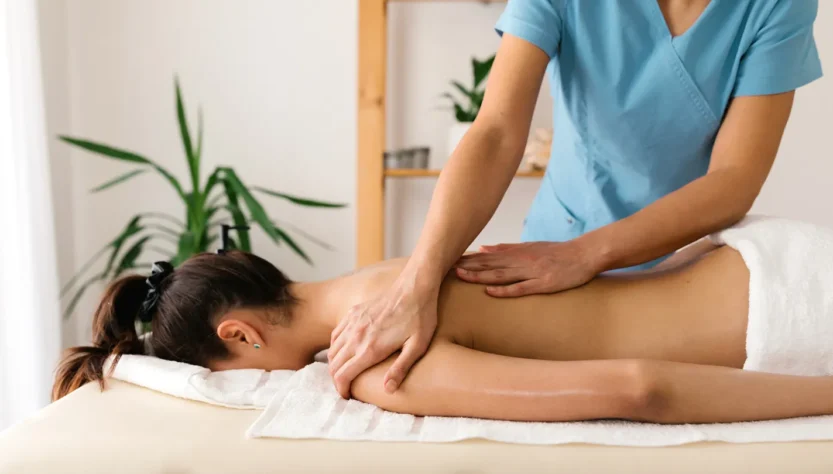
The unfamiliar part of a first massage is often knowing what you are expected to do. Before booking Thai massage in Chiang Mai, understanding the format can make it easier to explain your preferences and feel comfortable during the session. You do not need prior experience, but you should know that asking questions is part of the process.
Understand How the Session Will Work
Traditional Thai massage uses pressure and assisted movement, so the experience can differ from a massage built mainly around oil and gliding strokes. The exact approach varies between practitioners and treatments. A clear description should explain what you will be booking rather than relying on the treatment name alone.
Practical questions are useful here. Knowing whether clothing is provided, whether you will use a mat or table and how much movement is involved helps you prepare. If getting down to the floor or changing position is difficult, mention that before the appointment so the provider can explain whether the arrangement is suitable.
Give the Therapist Useful Information Before Starting
Describe any relevant health conditions, recent injuries or areas you do not want touched. This conversation is more useful than a general request to be careful because it gives the therapist something specific to consider. Where your circumstances raise uncertainty about suitability, obtain medical advice before proceeding.
The practitioner should be able to explain their training and how it relates to the treatment offered. Experience with a particular technique does not automatically establish experience with every health condition. A willingness to recognise those limits is a useful part of professional judgement.
Agree on How You Will Communicate

Words such as gentle and firm mean different things to different people. Starting with a clear preference gives the therapist a reference point, but your feedback during the session remains important. A pressure level that feels comfortable in one area may be unwelcome in another.
You can ask for less pressure, a different position or a movement to be omitted. If something hurts or makes you uneasy, say so immediately and ask the therapist to stop. Enduring discomfort to avoid seeming impolite makes it harder for the practitioner to understand your experience.
Keep Expectations Proportionate to a First Visit
A first session gives you an opportunity to decide whether you enjoy the approach and how comfortable you feel with it. You do not need to commit to a series of appointments before having that experience. Any recommendation for further visits should come with an understandable explanation rather than pressure to purchase a package.
The practice also has a cultural context beyond the treatment room. UNESCO’s account of Nuad Thai as a living cultural tradition describes the knowledge and practices passed between generations. That background can enrich your understanding while leaving your own comfort and preferences central to the appointment.
A positive first visit depends on knowing what is planned and being able to influence what happens. Clear preparation, an appropriately trained practitioner and open communication give you a sound basis for deciding whether the experience is something you would choose again.