

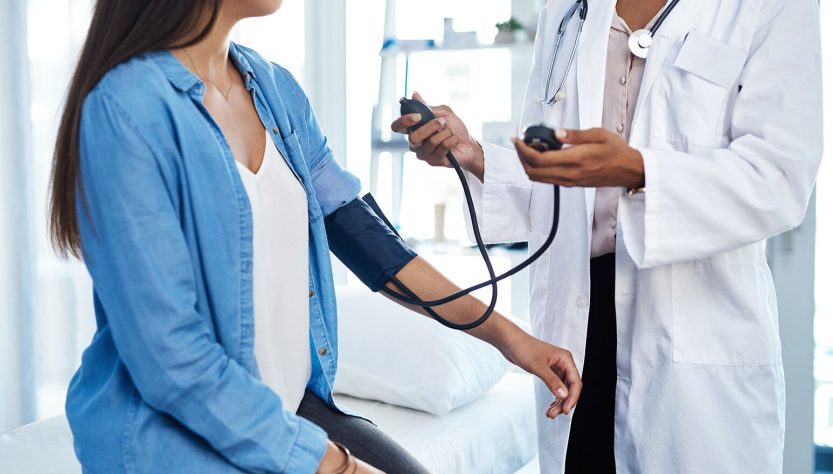
Maintaining good health throughout a woman’s life requires attention to a variety of factors, with regular health screenings being one of the most important. These screenings help detect potential health problems early, often before symptoms appear, which can be key to effective treatment. However, as women age, their health risks and needs change, and so should the screenings they undergo. Below is a comprehensive guide to essential health screenings for women by age, ensuring they stay on top of their health at every stage of life.
In Your 20s: Early Prevention is Key
While many women in their 20s may feel invincible, this is the perfect time to begin establishing a foundation of health habits that will benefit them in the long term. It’s also important to address certain health screenings during this period.
- Pap Smear and HPV Test
Cervical cancer screenings typically begin at age 21, with a Pap smear performed every three years. This test detects abnormal cells in the cervix that may develop into cervical cancer. For women aged 30 and above, a Pap smear is often combined with an HPV (Human Papillomavirus) test, as certain strains of HPV are linked to an increased risk of cervical cancer. - Cholesterol Check
While high cholesterol is more commonly associated with older adults, it can develop at any age. A cholesterol test is recommended every five years starting in the 20s, particularly for women with a family history of heart disease, obesity, or diabetes. - Skin Cancer Screening
Skin cancer is one of the most common cancers among women. A yearly check by a dermatologist for skin changes or suspicious moles is recommended, especially for those who have a history of sunburns, tanning beds, or family history of skin cancer. - Mental Health Evaluation
Mental health challenges such as depression and anxiety can start in your 20s. Women should be proactive in discussing mental well-being with their healthcare providers and seek support if they are experiencing emotional distress or signs of depression.
In Your 30s: Focus on Family Health History
As women enter their 30s, the focus begins to shift toward reproductive health and long-term wellness. While certain screenings may not yet be necessary, it is still important to assess overall health and begin preventative care.
- Blood Pressure Check
High blood pressure is often called the “silent killer,” as it can have no symptoms but lead to severe complications such as heart disease and stroke. A blood pressure screening is recommended every two years, or more often for women with high-risk factors. - Breast Cancer Screening
While routine mammograms typically begin at age 40, women in their 30s should still perform monthly breast self-exams and discuss any family history or genetic factors that may make them more susceptible to breast cancer with their doctor. Genetic counseling may also be recommended for those with a strong family history. - Fertility Health and Reproductive Planning
It’s important to assess fertility in your 30s, especially for women who may plan to delay childbirth. Discussing options with an obstetrician-gynecologist (OB-GYN) can help identify any underlying issues, such as polycystic ovary syndrome (PCOS) or endometriosis, that may affect fertility. - Thyroid Function Test
Thyroid dysfunction can affect metabolism, energy levels, and even mood. Women with a family history of thyroid disease, unexplained weight gain or loss, or fatigue should get their thyroid function tested regularly.
In Your 40s: Prioritize Cancer and Hormonal Health
Women in their 40s face significant hormonal changes, and many begin to experience perimenopause, the transitional period leading to menopause. At this stage, health screenings become more essential, as they can help detect early signs of chronic conditions and cancers that may become more prevalent with age.
- Mammogram
The American Cancer Society recommends that women begin annual mammograms at age 40 to screen for breast cancer. Early detection can improve outcomes, so regular screenings are crucial for women in this age group. - Bone Density Test
Osteoporosis becomes a greater risk after age 40, especially for women after menopause due to a decline in estrogen levels. A bone density test, also known as a DEXA scan, helps assess bone strength and identify osteoporosis early. Women at risk should start this screening by age 40. - Colon Cancer Screening
While colon cancer is more common in older adults, women should start discussions with their healthcare provider about colon cancer screenings at age 45. Depending on family history and risk factors, colonoscopies may be recommended earlier. - Cholesterol and Blood Sugar Tests
Regular screenings for cholesterol and blood sugar are essential to prevent heart disease and diabetes. These conditions can be asymptomatic for years, so early detection is key. Women should have their cholesterol levels checked every 4 to 6 years, with more frequent tests if they have risk factors such as obesity or a family history of heart disease.
In Your 50s and Beyond: Focus on Preventing Age-Related Diseases
Once women reach their 50s, the risk for various health conditions, such as heart disease, osteoporosis, and cancer, increases. Regular screenings in this decade can help manage and mitigate risks for these diseases.
- Mammogram
Women in their 50s should continue annual mammograms to detect breast cancer early. If you have dense breast tissue or a family history of breast cancer, your doctor may recommend additional imaging, such as breast ultrasound or MRI. - Colon Cancer Screening
Colonoscopies become routine at age 50, and every 10 years thereafter, unless other risk factors are present. Early detection can significantly reduce the mortality rate for colorectal cancer. - Pelvic Exam
A pelvic exam is important in the 50s, especially for detecting signs of ovarian cancer, uterine fibroids, and other reproductive health issues. Women who have gone through menopause should continue to see their gynecologist for regular pelvic exams. - Hearing and Vision Tests
As we age, our senses naturally begin to decline. Hearing loss can be gradual, but regular hearing tests are vital for identifying early signs of impairment. Similarly, vision problems, such as glaucoma or age-related macular degeneration, should be monitored regularly by an optometrist or ophthalmologist.
Conclusion: Maintaining a Lifelong Commitment to Health
Regular health screenings are critical to a woman’s health at any age, allowing for early detection of potential problems and enabling timely intervention. These screenings provide the opportunity to make lifestyle changes, seek treatments, and ensure that women of all ages can live healthy, fulfilling lives. By prioritizing regular checkups, women can stay informed and proactive in maintaining their health, regardless of the stage of life they are in.